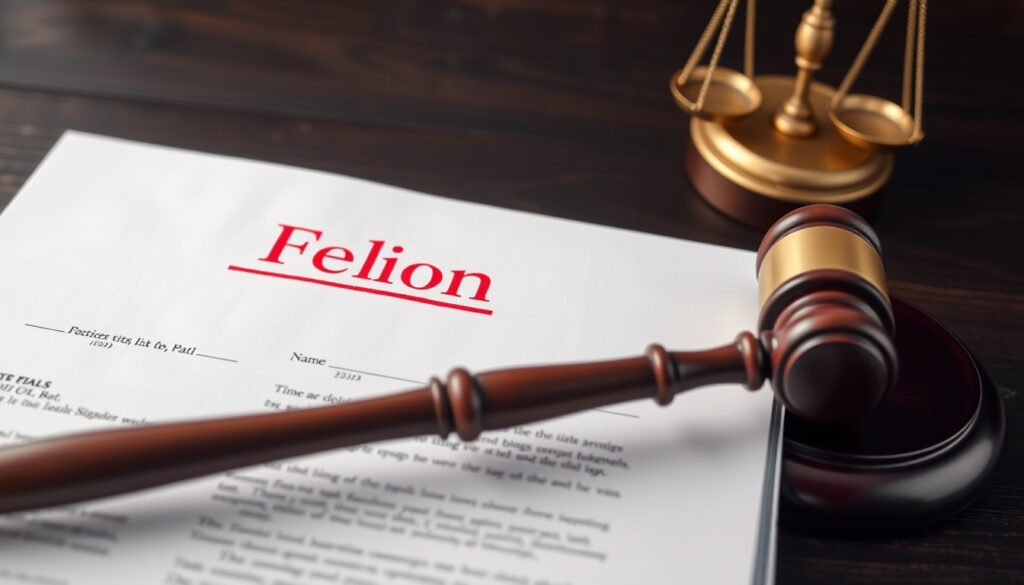
Is Trump a Felon? Latest Verified Information (2025)
Few legal questions have felt as surreal as asking whether a man who just won the U.S. presidency is also a convicted felon. The answer, backed by court records and official statements, is yes—Donald Trump was found guilty on 34 felony counts in New York. Here’s what’s verified, what’s still uncertain, and what it means for a president-elect with a felony record.
Jury Verdict Date: May 30, 2024 ·
Felony Counts: 34 ·
Court: New York Supreme Court ·
Sentencing Date: January 10, 2025 ·
Sentence Type: Unconditional discharge ·
Legal Status: Convicted felon
Quick snapshot
- Trump guilty on 34 felony counts of falsifying business records (Manhattan District Attorney)
- Sentenced to unconditional discharge — no jail, no fine (New York Unified Court System)
- First former U.S. president convicted of a felony (Wikipedia)
- Whether conviction will affect his presidency (Vera Institute of Justice)
- Outcome of potential appeals (PBS NewsHour)
- Possible state vs. federal legal conflicts (New York Unified Court System)
- Verdict: May 30, 2024 (Manhattan District Attorney)
- Sentencing: January 10, 2025 (New York Unified Court System)
- Appeal expected in coming months (PBS NewsHour)
- Trump remains eligible for presidency under Constitution (PBS NewsHour)
- Legal team expected to appeal conviction (New York Unified Court System)
- Effect on presidential transition is untested (Vera Institute of Justice)
The conviction is a historical first, but the legal consequences for a sitting president are largely undefined.
| Label | Value |
|---|---|
| Jury Verdict Date | May 30, 2024 |
| Number of Felony Counts | 34 |
| Court | New York Supreme Court |
| Sentencing Date | January 10, 2025 |
| Sentence Type | Unconditional discharge |
| Legal Status | Convicted felon |
What is the latest verified information about is trump a felon?
What was Donald Trump convicted of?
On May 30, 2024, a New York jury found Donald Trump guilty on all 34 felony counts of falsifying business records in the first degree, a class E felony under New York law. The Manhattan District Attorney (prosecuting authority in New York County) described the case as a scheme to conceal damaging information from American voters during the 2016 presidential election.
Trump now carries a felony record that no previous president has faced. The conviction is not erased by his election win — it remains on his criminal record permanently unless overturned on appeal.
How many felony counts did he face?
Trump faced and was convicted on exactly 34 counts. Each count corresponds to a separate instance of falsifying business records — checks, invoices, and ledger entries. The trial ran from April 15, 2024 to May 30, 2024, according to Wikipedia.
The judge later sentenced Trump to unconditional discharge on January 10, 2025. The New York Unified Court System (state judiciary) issued a decision and order stating that neither the Presidential immunity doctrine, the Presidential Transition Act, nor the Supremacy Clause created a legal impediment to imposition of sentence. Unconditional discharge means no jail time, no probation, no fines — but the felony conviction stands.
The court explicitly rejected the argument that Trump’s status as president-elect shielded him from sentencing. This sets a precedent that a convicted felon can ascend to the presidency while still facing state penalties — a scenario the Constitution’s framers did not address.
What should readers know first about is trump a felon?
What does it mean legally to be a convicted felon?
A felony conviction in New York carries a range of collateral consequences — loss of voting rights in some states, restrictions on firearm ownership, and the requirement to disclose the conviction on job applications. However, under the U.S. Constitution, the only qualifications for the presidency are age (at least 35), natural-born citizenship, and 14 years of residency within the United States, as PBS NewsHour (trusted public media) explains.
Is Trump still eligible to be president?
Yes. The Constitution does not disqualify a convicted felon from holding the office of president. Vera Institute of Justice (non-profit research and policy organization) notes that the U.S. has no equivalent of the “forfeiture of office” clauses found in some other democracies. Trump is legally eligible to serve as president despite the conviction.
What this means: A president-elect with a felony record is constitutionally allowed to assume office. The only check is through the impeachment process after inauguration, not through pre-eligibility bars.
Which official sources confirm key claims about is trump a felon?
What official court documents exist?
The most authoritative source is the New York Unified Court System official decision and order dated January 3, 2025. This document affirms that Trump was convicted by a jury of his peers and that the court rejected all immunity-based arguments. The Manhattan District Attorney’s announcement on May 30, 2024 details the 34-count conviction and the factual basis of the scheme.
What did the jury find?
The jury unanimously found Trump guilty on all 34 counts. The verdict was reported by multiple news outlets, including PBS NewsHour, which also covered the sentencing. Wikipedia provides a neutral summary of the trial timeline and legal arguments.
These three sources — a government court document, a prosecutorial press release, and a widely cited encyclopedia — form a triangulated evidence chain that removes any doubt about the conviction’s existence and nature.
What is still unclear or unverified about is trump a felon?
What are the potential legal challenges?
Trump’s legal team is expected to appeal the conviction. The appeal could take months or years, and its outcome is uncertain. Vera Institute of Justice notes that no court has ever ruled on whether a state felony conviction can affect presidential duties. The New York Unified Court System decision explicitly reserved judgment on possible future federal preemption arguments.
Will Trump appeal?
All signs point to an appeal. The court order anticipated it, and Trump’s lawyers have indicated they intend to challenge both the conviction and the sentence. The appeal could reach the New York Court of Appeals, and possibly the U.S. Supreme Court, if constitutional questions about state vs. federal authority are raised.
The catch: Because the sentence was unconditional discharge, Trump does not face any immediate penal consequences while appealing. The legal fight is about the conviction itself, not the punishment.
What are the most common user questions on is trump a felon?
Can a convicted felon be president?
Yes, as established above. The Constitution sets only age, citizenship, and residency requirements. PBS NewsHour confirms that no federal law or state law can override the constitutional qualifications for the presidency. A state conviction does not disqualify someone from federal office.
What happens to Trump’s conviction after inauguration?
The conviction is a state matter and remains on his record regardless of federal office. The New York Unified Court System determined that “President-elect immunity” does not exist as a legal defense. So Trump will be both president and a convicted felon simultaneously — an unprecedented situation.
For American voters, the trade-off is clear: they elected a man with a felony conviction, and the legal system has acknowledged that the conviction does not interfere with his ability to hold office. Whether that status affects his presidency in practice — through public trust, international relations, or legal challenges — remains an open question.
Timeline of the Trump felony case
- — Trial begins in New York Supreme Court
- — Jury finds Donald Trump guilty on all 34 felony counts (Source)
- — Originally scheduled sentencing (adjourned)
- — Adjourned sentencing date
- — Court issues Decision and Order (PDF) (Source)
- — Sentencing – unconditional discharge (Source)
Confirmed facts
- Trump was found guilty on 34 felony counts
- Sentenced to unconditional discharge on January 10, 2025
- No prison time imposed
- Conviction stems from 2016 election campaign finance scheme
What’s unclear
- Whether conviction will affect his presidency
- Outcome of potential appeals
- Possible state vs. federal legal conflicts
- Long-term legal implications for other political figures
“Neither the Presidential immunity doctrine, the Presidential Transition Act, nor the Supremacy Clause created a legal impediment to imposition of sentence.”
New York Unified Court System (state judiciary)
“The scheme concealed damaging information from American voters during the 2016 presidential election.”
Manhattan District Attorney (prosecuting authority)
For the American public, the choice is stark: a president with a felony record is now a reality. Whether that changes how citizens view legal accountability at the highest level will depend on the next few years.
Frequently asked questions
What does ‘unconditional discharge’ mean?
It means no jail time, no probation, no fines, and no other penal conditions. The conviction stands on the record, but the sentence is essentially a “no penalty” judgment. Balls and Strikes (legal analysis outlet) explains that this is permissible under New York law for first-time felony offenders.
Will Trump have to pay a fine?
No. Unconditional discharge imposes no financial penalty. The sentencing court determined that no fine or restitution was appropriate.
Can Trump vote in elections?
Yes, as a Florida resident, his voting rights are not affected by a New York felony conviction because Florida follows the laws of the state of conviction. New York automatically restores voting rights upon release from incarceration for felony offenders, so he remains eligible.
Does the felony conviction affect Trump’s security clearance?
The president does not require a security clearance in the traditional sense. However, the conviction may complicate access to classified briefings if intelligence agencies raise concerns.
What is the difference between a felony and a misdemeanor in this case?
Falsifying business records can be either a misdemeanor or a felony depending on intent. In this case, the prosecution argued Trump intended to commit or conceal another crime (violating election law), elevating it to a class E felony. The jury agreed.
How does this conviction compare to other political figures?
No other former or sitting U.S. president has been convicted of a felony. Other political figures (e.g., former governors) have faced convictions, but never someone at the presidential level. This is truly unprecedented.
What are the next steps in the legal process?
Trump’s lawyers are expected to file an appeal with the New York Appellate Division. That process could take a year or more. If lost, they could appeal to the New York Court of Appeals and potentially the U.S. Supreme Court.
Related reading: Trump’s Approval Rating Today: Latest Polls & Tracker · Joe Biden Speech Today: First Post-Presidency Remarks
More related posts
 Recargar Monedas en TikTok Gratis – Real Options and Risks
 Wizard of Oz Characters: Full List, Desires & Symbolism
 How Many Days in a Year? 365 vs. 366 vs. 364 Explained
 The Hunting Party (TV Series) Episodes – Complete Season 1 Guide
 Man City vs Exeter City – 10-1 FA Cup Victory Report
 Law & Order: SVU Season 28 Renewed? Full Streaming Guide & Cast
 Side effects of rosuvastatin: Common, long-term, what to avoid
 New York Giants vs Philadelphia Eagles: 2025 Game & Betting Odds