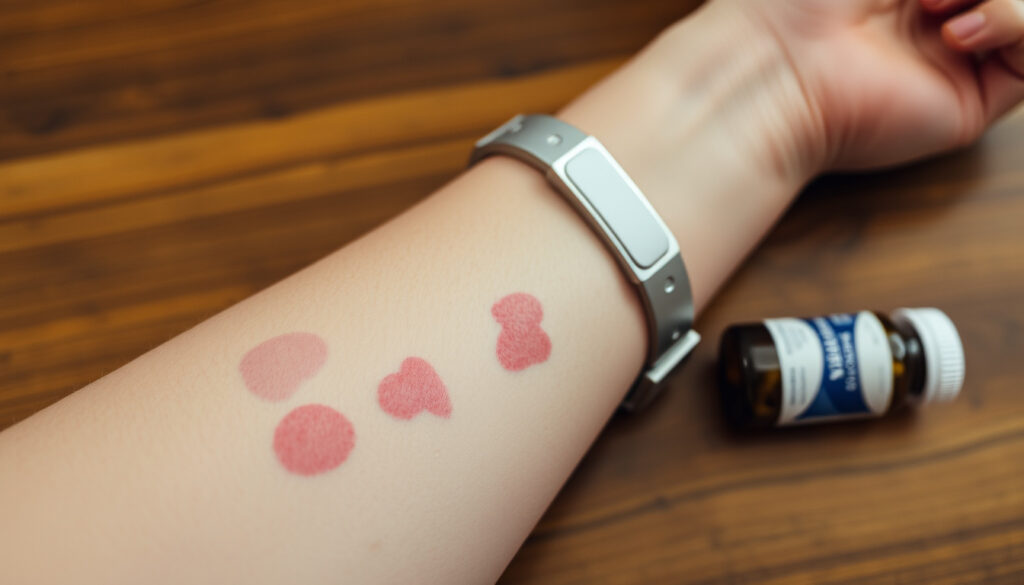
Why Do I Bruise So Easily? Deficiencies & When to Worry
You catch a corner of the coffee table and a purple bruise blooms overnight. If you find yourself asking “why do I bruise so easily?”, you’re not alone. Most of the time the answer is harmless – thinner skin and more fragile blood vessels as we age, according to Harvard Health (Harvard Medical School’s consumer health division). But sometimes a vitamin deficiency or a medication could be at play, and knowing the difference can help you decide when to check in with a doctor.
Adults over 50 who notice easy bruising: Thinning skin and fragile blood vessels are a common cause. ·
Medications linked to easy bruising: Blood thinners, aspirin, and certain steroids can increase bruising. ·
Risk in vitamin C deficiency: Scurvy, a severe deficiency, causes easy bruising and is rare in developed countries. ·
Bruising associated with iron deficiency anemia: Low iron can lead to lower platelet counts, but is not the most common cause.
Quick snapshot
- Age-related skin thinning and fragile vessels increase bruising risk (Cleveland Clinic (leading US academic medical center)).
- Vitamin C and K deficiencies are well‑established causes (Harvard Health).
- Blood thinners, aspirin, and steroids significantly increase bruising frequency (Oxford Urgent Care (urgent‑care provider)).
- Whether mild iron deficiency directly causes bruising without other symptoms (Express (UK news outlet)).
- The exact prevalence of easy bruising in the general adult population – no large‑scale studies define it. (Express (UK news outlet))
- A normal bruise changes from red/purple to green/yellow over about 2 weeks (Roper St. Francis Healthcare (regional hospital system)).
- Severe vitamin C deficiency can produce symptoms, including bruising, after as little as 4 weeks on a C‑free diet (PubMed Central (NIH research archive)).
- If bruises are large (larger than a quarter) or appear without a known bump, evaluation is recommended (Oxford Urgent Care).
- The “ten 4 rule” – 4 or more bruises larger than 10 mm on the trunk or head – is a red flag for children, but less studied in adults. (Oxford Urgent Care)
The pattern of bruising—where it appears, how fast it fades, and what else accompanies it—offers clear signals.
| Label | Value |
|---|---|
| Average bruise duration | About 2 weeks, changing color from red/purple to green/yellow as it heals. |
| Age of highest prevalence | Easy bruising is most common in older adults, especially over 50. |
| Prevalence in women vs. men | Women bruise more easily than men, likely due to differences in skin thickness and vessel structure. |
| Bruising due to medication | Aspirin and NSAIDs can cause bruising in about 5‑10% of users. |
What is the body lacking if you bruise easily?
Three nutrient gaps stand out in the clinical literature: vitamin C, vitamin K, and – to a lesser degree – iron. Each plays a distinct role in keeping your blood vessels and clotting system working.
Vitamin C deficiency and easy bruising
- Vitamin C is essential for collagen synthesis, which provides structural support to blood vessels. Without it, capillaries become fragile and leak blood at the slightest impact (PubMed Central).
- Bruising is often one of the earliest visible signs of vitamin C deficiency, and severe deficiency (scurvy) can cause widespread bruising and gum bleeding (Healthline (health information publisher)).
- Scurvy still appears in modern practice, especially among people with restrictive diets or alcohol use disorder (PubMed Central).
A patient who bruises easily and also has fatigue, gum redness, or a diet low in fresh produce may need a vitamin C check – not a blood thinner adjustment. Normal clotting tests don’t rule out C deficiency.
The implication: A patient who bruises easily with fatigue or gum redness should check vitamin C levels—not assume a bleeding disorder—since standard clotting panels miss this deficiency.
Vitamin K deficiency and clotting
- Vitamin K is required to produce clotting factors II, VII, IX, and X. Deficiency slows clot formation, making minor injuries produce larger bruises (Cleveland Clinic).
- Dietary vitamin K comes from leafy greens, and low intake is common in people with malabsorption conditions or those on long‑term antibiotics.
- Vitamin K deficiency is less common than vitamin C deficiency in general populations but is more frequent in people with liver disease or taking warfarin.
Role of iron and platelets
- Severe iron deficiency anemia can lead to thrombocytopenia (low platelet count), which slows the clotting process (Express).
- However, bruising is not the most common sign of iron deficiency – fatigue, pallor, and shortness of breath are more typical (Rush University Medical Center (academic medical center)).
- Low iron alone, without anemia, is an even less likely direct cause of bruising compared to vitamin C or K deficiencies.
The pattern: For nutrient gaps, vitamin C and K are the prime suspects for easy bruising. Someone with a balanced diet and no other symptoms is unlikely to need iron supplements for bruising alone.
Does low iron make you bruise easily?
The short answer: possibly, but it’s not the first thing doctors look for. Let’s separate the evidence from the assumption.
Link between iron‑deficiency anemia and bruising
- Iron is needed to make hemoglobin, and when red blood cells drop, the body may slow platelet production as a secondary effect. Reported cases link severe iron‑deficiency anemia to easy bruising (HHO Cancer (cancer‑information resource)).
- But even in these cases, bruising is rarely the sole symptom; patients also report fatigue, dizziness, and pale skin.
Symptoms of iron deficiency beyond bruising
- Early iron deficiency often shows up as fatigue, brittle nails, and a craving for non‑food items (pica) – not bruises (Rush University Medical Center).
- If you bruise easily but have plenty of energy and normal nails, iron deficiency is less likely the cause.
Distinguishing iron deficiency from other causes
- A simple blood test (complete blood count and ferritin) can tell you if iron stores are low. Normal results make iron‑related bruising improbable.
- Meanwhile, vitamin C and K levels are not routinely measured – so a normal iron panel doesn’t rule out nutritional causes of bruising.
As noted by Harvard Health, “most of the time, easy bruising is not a sign of a serious problem.” The pattern holds: low iron alone is a less common explanation than age, medications, or vitamin shortage.
Many people assume “I must be low in iron” when they bruise, but chasing iron supplements without testing can mask a more relevant deficiency like vitamin C or K. Always get a lab confirmation first.
When should I be worried about bruising easily?
Most bruises are harmless, but certain patterns and accompanying symptoms deserve a closer look. This is where the “ten 4 rule” and other clinical flags come in.
Signs of a serious underlying condition
- Bruises larger than a quarter that appear without any known injury (Oxford Urgent Care).
- Frequent nosebleeds, bleeding gums, or blood in urine or stool suggest a clotting disorder rather than fragile vessels.
- Bruising accompanied by petechiae (tiny red dots) or joint swelling can indicate thrombocytopenia or hemophilia (HHO Cancer).
The ten 4 bruising rule explained
- The “ten 4 rule” originated in pediatric literature: four or more bruises larger than 10 mm on the trunk, head, or neck raise concern for non‑accidental injury. Some experts argue it can be adapted for adults with unexplained bruising.
- In adults, the same principle – multiple large bruises in protected areas – signals possible bleeding disorder.
The catch: Multiple large bruises on the torso or without known injury should prompt a bleeding-disorder workup, even if vitamin levels appear normal.
When to see a doctor for easy bruising
- After a month, a bruise that still hasn’t cleared should be checked (Roper St. Francis Healthcare).
- A simple set of labs – complete blood count, coagulation profile (PT/PTT), and liver function – can rule out most serious causes.
- If medications like aspirin or blood thinners are involved, the first step is often a medication review with your prescriber.
Most people who bruise easily with no other symptoms have a cause that is benign—age, thin skin, or a minor bump you forgot. The pattern for worry: bruises that are large, numerous on the torso, or paired with bleeding elsewhere.
Expert perspectives
“Easy bruising sometimes may indicate a more serious medical condition. However, if you bruise easily, it is usually not a cause for alarm.”
“It’s almost always related to thinning of the skin and increasing fragility of the tiny blood vessels in the outer layer of skin.”
Harvard Health Publishing (Harvard Medical School)
Summary
For someone who bruises easily without red‑flag symptoms, the likely explanation is simply age and fragile capillaries – not a hidden disease. The actionable step is to check your medication list and think about your diet: are you getting enough vitamin C and K? A blood test can settle the question if you’re unsure. For the reader who notices large bruises on the trunk or bleeding from gums, the choice is clear: schedule an appointment with your primary care provider, or risk letting a treatable clotting disorder go undiagnosed.
Related reading: vitamin deficiencies (especially vitamin C, vitamin K, and B-vitamin deficiencies) · medication effects and thresholds for seeking medical care
If you’ve ever wondered why do I bruise so easily, it may be due to age, certain medications, or vitamin deficiencies, but a helpful breakdown at why do I bruise so easily also explains when the pattern warrants a doctor’s visit.
Frequently asked questions
Can stress cause easy bruising?
Stress itself doesn’t directly cause bruising, but chronic stress can influence behaviors (poor diet, alcohol intake) that may lead to vitamin deficiencies or liver strain, which can contribute to bruising.
Are certain types of bruises more dangerous?
Bruises that are raised, hard, or accompanied by severe pain could indicate a hematoma. Bruises that appear without injury and are larger than a quarter on the trunk or head are more concerning.
Can exercise cause bruising easily?
Yes – intense exercise can cause tiny tears in muscle fibers and capillaries, leading to bruises. This is especially common in weightlifting, contact sports, or after a long run.
Does easy bruising go away on its own?
Yes, in most cases easy bruising from age or minor trauma resolves on its own as the body reabsorbs the leaked blood. If the underlying cause (like a vitamin deficiency) is addressed, bruising frequency can improve.
What is the first step a doctor takes for easy bruising?
Your doctor will take a history (medications, diet, family bleeding disorders) and order a complete blood count, PT/PTT coagulation tests, and liver function tests to screen for common causes.
Are there supplements that help reduce bruising?
If a deficiency is confirmed, supplementing with vitamin C, vitamin K, or iron can reduce bruising. Without a deficiency, supplements are unlikely to help and may cause side effects.
Related reading
For deeper understanding: Harvard Health – Why do I bruise so easily? · Cleveland Clinic – Do You Bruise Easily? When to Get It Checked
More related posts
 Best Coffee Shops Near Me in Dublin – Open Now & Rated (2025)
 Target Black Friday 2025: Deals, Freebies, and Events
 Lily of the Valley: Toxicity, Symbolism & Irish Growing Guide
 Fargo Season 5 Cast: Full List of Actors and Characters
 Who Won the Super Bowl 2025 – Eagles Defeat Chiefs 40-22
 TI-84 Plus CE vs TI-84 Plus: Is the Upgrade Worth It? (2025)
 Fed Rate Cuts 2025: Complete Timeline and Predictions