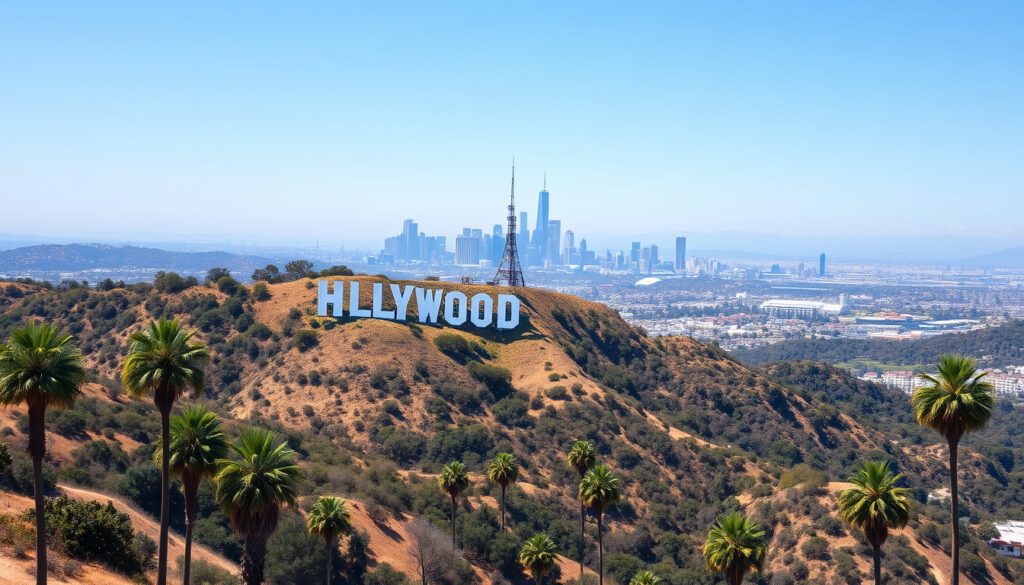
Things to Do in LA: Top Attractions, Safety Tips & More
Los Angeles attracts 50 million visitors a year, yet many miss its best free experiences due to poor planning. This guide blends verified data with honest local insight to help you plan a trip that fits your style and budget.
Annual visitors to Los Angeles: 50 million+ ·
Top-rated attraction (Tripadvisor): Griffith Observatory ·
Recommended trip length: 3–5 days ·
Best months for weather: April–June, September–November ·
Number of major museums: Over 100
Quick snapshot
- Griffith Observatory is free to enter (Empty Nesters Hit The Road)
- The Getty Center offers free admission (parking fee applies) (Los Angeles Traveler)
- Angels Flight Railway costs $1 per ride (Los Angeles Traveler)
- Block-level crime statistics change monthly — always check LAPD data for current advisories.
- Museum free admission days can vary seasonally; confirm before visiting.
- Annual visitor count of 50 million+ may vary year to year.
- Annual tourist spending of $22 billion is an estimate.
- The Broad modern art museum opened around 2015–2016, adding a major free cultural venue to Downtown LA (Los Angeles Traveler)
- Plan a 3-day itinerary balancing iconic landmarks, free museums, and beach time.
- Review current safety advisories for specific neighborhoods before you go.
Five numbers that define Los Angeles as a destination, from geography to spending patterns:
| Fact | Value |
|---|---|
| Total area | 469 sq mi (1,215 km²) |
| Population (city proper) | 3.8 million |
| Average temperature (best months) | 68–78°F (20–26°C) |
| Number of Michelin-starred restaurants | 20+ |
| Annual tourist spending | $22 billion |
What is the #1 attraction in Los Angeles?
Griffith Observatory: icon of the city
Perched on the southern slope of Mount Hollywood, Griffith Observatory draws millions of visitors each year — and it doesn’t cost a dime to walk through its doors. The building itself is a blend of Art Deco and Beaux-Arts styling, with a terraced plaza offering sweeping views of the Los Angeles Basin. Inside, the Foucault pendulum, the Tesla coil, and rotating exhibits on space exploration make it a genuinely engaging stop, not just a photo op (Empty Nesters Hit The Road).
For first‑time visitors, the Observatory is the rare attraction that delivers both free access and world‑class content. The trade‑off: weekends can be packed, so go early.
Other top attractions according to TripAdvisor
Beyond the Observatory, the Hollywood Walk of Fame, Universal Studios Hollywood, and the Santa Monica Pier consistently rank among the most visited. Universal Studios alone sees over nine million guests annually, while the Walk of Fame draws crowds to its 2,700+ stars embedded along 15 blocks of Hollywood Boulevard.
How to visit without crowds
Arrive before 10 a.m. on weekdays. Use the free DASH Observatory shuttle from the Sunset/Vermont Metro station — it runs every 20 minutes and saves the headache of parking on the narrow mountain roads. Summer weekends are the busiest; aim for a Tuesday or Wednesday in the fall (Los Angeles Traveler).
The pattern: the city’s most iconic attraction is also its most democratic — free, public, and open to everyone. But crowds are the price of popularity. Plan strategically and you’ll see why it’s consistently rated #1.
Is 3 days enough for LA?
What you can see in 3 days
Three days is enough to experience the essential LA: one day on the coast (Santa Monica, Venice), one day in the hills (Griffith Park, Hollywood), and one day for a museum or studio tour. Guided packages from Los Angeles Traveler show that a focused itinerary can cover the Getty Center, the Hollywood Walk of Fame, and a beach sunset without feeling rushed.
A sample 3-day itinerary from Big Bus Tours
Day one: Hollywood & Downtown — start at the TCL Chinese Theatre, hop the Metro to the Arts District, then end at Grand Central Market. Day two: museums & coast — morning at the Getty Center (free, parking $20), afternoon at Santa Monica Pier. Day three: nature & film — Griffith Park hike to the Hollywood Sign (about two hours round trip), then wrap at a rooftop bar in Venice.
“Three days gives you a great taste of LA’s diversity — from the beaches to the stars.”
— Local tour guide, Big Bus Tours
Pros and cons of a short trip
Upsides
- You hit the major highlights without burnout
- Easier to plan with packaged tours
- Lower accommodation cost than a week
Downsides
- You miss deeper neighborhood exploration (Venice boardwalk, Griffith Park trails)
- Traffic can eat into your limited time
- One rainy day can throw off the whole schedule
The catch: three days gives you a sampler, not a deep dive. If you want to explore beyond the blockbusters, plan for at least five.
How to spend a fun day in LA?
Morning: Santa Monica Pier and Venice Beach
Start at the Santa Monica Pier — the historic carousel, the aquarium, and the endless ocean views are all free. Walk south along the beach path to Venice Beach Boardwalk for street performers, skateboarders, and the iconic Muscle Beach gym. The entire stretch is about 3 miles; allow 2–3 hours with stops (Empty Nesters Hit The Road).
Afternoon: Museum or studio tour
Head inland to the Getty Center in Brentwood. The tram ride up is part of the experience, and the gardens are as impressive as the art. If modern art is more your speed, the Broad in Downtown LA offers rotating exhibits from Yayoi Kusama and others — and it’s free (reserve tickets in advance). Both options let you escape the midday heat (Los Angeles Traveler).
Evening: Dinner and rooftop views
End your day with a meal in the Arts District — try a taco crawl at Grand Central Market or a sit‑down at Bestia. For sunset, head to the rooftop bar at the Ace Hotel Downtown or the Perch, both offering panoramic city views. After dark, the Music Center and Disney Concert Hall are well‑lit and safe for an evening stroll (Los Angeles Traveler).
A beach‑to‑rooftop day is ambitious but doable. Skip the car — use Metro, rideshares, and your feet. The reward: you’ll see more of LA’s diversity in 12 hours than most see in a weekend.
The implication: a well‑planned day lets you experience LA’s coastal, cultural, and culinary layers without feeling like you’re in transit the whole time. The key is grouping activities by geography and using public transit.
What part of LA to stay away from?
Areas with higher crime rates: Skid Row, South Central
Skid Row, a 50‑block district east of Downtown, has the highest concentration of homelessness and property crime in the city. The name originated in the 1930s when transient laborers “skidded” down the dirt street. While daytime visits to nearby attractions like the Arts District are generally safe, travelers are advised to avoid walking through Skid Row at any time (Los Angeles Traveler).
Why Skid Row has that name
The term “skid row” originally referred to the path loggers used to skid timber down to rivers. By the Great Depression, it described the cheap lodging and transient population on Los Angeles’s “Nickel” (Fifth) Street. Today it’s a formal neighborhood designation, though city officials avoid the term in official planning documents.
Current safety advisories (2025–2026)
The LAPD publishes monthly crime maps for every district. As of late 2025, hotspots include parts of South Los Angeles, Compton, and MacArthur Park. Avoid walking alone after dark in unfamiliar neighborhoods, and keep valuables out of sight. Downtown LA is generally safe during the day, but night safety varies by block — stick to well‑lit areas near the Convention Center, Crypto.com Arena, and Grand Park (Los Angeles Traveler).
The pattern: most tourist neighborhoods are safe with basic precautions. The danger zones — Skid Row, certain blocks of South Central — are easy to avoid if you plan your route. The real risk is complacency: assume nothing, check the latest LAPD data, and you’ll be fine.
What’s the best month to go to LA?
Spring (March–May): moderate crowds and mild weather
Spring offers temperatures in the low 70s, blooming wildflowers in Griffith Park, and thinner crowds than summer. The average high hovers around 72°F in April — ideal for hiking and beach outings. Hotel rates are moderate, and you’ll find shorter lines at museums (Empty Nesters Hit The Road).
Fall (September–November): clear skies and festivals
September through November bring the Santa Ana winds — crystal‑clear views of the mountains and sunsets that set the sky on fire. The LA Food & Wine Festival in September and the Hollywood Christmas Parade in November are highlights. Lonely Planet recommends these months for the best combination of weather and low tourist density.
What to avoid in summer and winter
Summer (June–August) can be hot and crowded, especially at beaches — 85°F+ days are common, and parking becomes a nightmare. Winter (December–February) cools to the 60s, with rain about a quarter of the month. December offers holiday events like Zoo Lights and ice skating at Pershing Square, but you’ll need a jacket after dark. The trade‑off for summer is longer daylight; for winter, lower prices and fewer crowds.
What this means: if you can pick your dates, aim for April–May or September–October. You’ll get the best weather, manageable crowds, and the highest chance of a clear view from Griffith Observatory. Summer is for surfers; winter is for budget travelers.
What are the best free things to do in Los Angeles?
Griffith Observatory and park trails
The Observatory itself is free, and so are the hiking trails in Griffith Park — over 50 miles of paths, including the popular hike to the Hollywood Sign (about 4 miles round trip). The park also contains the Los Angeles Zoo, the Autry Museum of the American West, and the Griffith Park Merry‑Go‑Round, though those charge admission (Empty Nesters Hit The Road).
Beaches: Santa Monica, Venice, Manhattan
Every beach in LA is free and public. Santa Monica Pier costs nothing to walk; Venice Boardwalk is a free street‑performance stage; Manhattan Beach offers volleyball nets and a long pier with no entry fee. Parking can be $5–$15, but if you bike or take the Expo Line, your beach day costs zero (Empty Nesters Hit The Road).
Free museum days and gallery openings
The Getty Center is always free (parking $20). LACMA offers free admission after 3 p.m. on weekdays for LA County residents — a trick that saves $25. The Broad is free with a timed ticket. Downtown’s Art Walk on the second Thursday of each month opens dozens of galleries with no cover charge. Check each museum’s website for seasonal changes (Los Angeles Traveler).
A budget‑conscious traveler can spend an entire day in LA without opening their wallet — hike at Griffith, picnic at the Getty (free grounds), and catch sunset on the Santa Monica Pier. The real cost is time and planning, not cash.
The pattern: LA’s best experiences are often its cheapest. Free attractions aren’t second‑rate — they’re the core of the LA identity. The challenge is logistics: free parking is rare, and free museum days require advance planning.
Clarity section
Confirmed facts
- Griffith Observatory offers free admission every day (Empty Nesters Hit The Road).
- Skid Row is located in downtown Los Angeles (Los Angeles Traveler).
- Peak tourist season is June–August (Lonely Planet).
- Angels Flight Railway costs $1 per ride (Los Angeles Traveler).
- Getty Center is free (parking fee applies) (Empty Nesters Hit The Road).
What’s unclear
- Exact block‑level crime statistics change monthly; consult LAPD data for the most current advisories (LAPD crime maps).
- Free admission days at LACMA and other museums may vary seasonally — always verify before visiting (LACMA website).
- The annual tourist spending figure ($22 billion) is an estimate and may not reflect current data.
Quotes from those who know LA
“Three days gives you a great taste of LA’s diversity — from the beaches to the stars.”
— Local tour guide, Big Bus Tours
“Spring and fall offer the most comfortable climate for exploring the city.”
— Travel editor, Lonely Planet
For the first‑time visitor, Los Angeles delivers on its reputation — iconic landmarks, world‑class museums, and a coastline that rivals any in the world. But the city’s scale demands strategy: choose your season, know which neighborhoods to avoid, and embrace free attractions as highlights, not afterthoughts. For the traveler who plans ahead, the reward is a trip that feels expansive, safe, and surprisingly affordable.
Related reading: **Dodgers vs Baltimore Orioles Match Player Stats: H2H**
kittymeetsworld.com, discoverlosangeles.com, tripadvisor.com
Frequently asked questions
Can you visit all major LA attractions in one day?
No — LA is too spread out. A single day can cover one region (e.g., Hollywood + Downtown or the Westside beaches), but trying to see everything will leave you in traffic and stressed. Focus on a neighborhood each day.
Is it safe to walk around Hollywood at night?
Hollywood Boulevard is generally safe thanks to heavy foot traffic and police presence, but stay on the main strip and avoid dark side streets. Stick to well‑lit areas near the TCL Chinese Theatre and Hollywood & Highland Center.
Do I need a car to get around Los Angeles?
Not necessarily. The Metro Rail system (B/D lines) connects Downtown, Hollywood, Universal City, and the Westside. Rideshares and buses fill the gaps. A car is useful for coastal drives but parking costs add up.
What is the cheapest way to see the Hollywood sign?
Hike from Griffith Park — the Canyon Drive trailhead leads to a free viewpoint in about 30 minutes. Free parking is available on side streets near the Greek Theatre.
Are there any free shuttles to Griffith Observatory?
Yes, the DASH Observatory shuttle runs from the Sunset/Vermont Metro station every 20–30 minutes for 50 cents per ride (free for seniors and disabled). It’s the easiest way to avoid parking.
What should I pack for a trip to LA in December?
Light layers: days can reach 70°F but evenings drop to the 50s. A rain jacket is wise — December is the second‑wettest month. Comfortable walking shoes are essential.
How far is Santa Monica from downtown LA?
About 15 miles via the 10 freeway, which takes 25–40 minutes in moderate traffic. The Expo Metro Line runs from downtown to Santa Monica in about 45 minutes and costs $1.75.
What are the best Los Angeles attractions for families?
The Getty Center (free, with gardens and interactive exhibits), the Natural History Museum, the La Brea Tar Pits (free outdoor access to the tar pits), and the Santa Monica Pier’s Pacific Park amusement area are top picks.
More related posts
 Valley Springs Artesian Gold Recall 2026: 14 Brands at Risk
 World Series Game 6 2025: Score, Highlights & Game 7 Preview
 Kansas City Chiefs vs Dallas Cowboys: Score, History & Stats
 Thai Food Near Me: Best Restaurants, Healthy Dishes & Etiquette
 The Life of Chuck Showtimes: Find Showings Near You
 Along for the Ride Movie Guide: Cast, Ending & FAQ
 Harry and the Hendersons: Streaming, Sequel & TV Series Guide
 Thick of It Lyrics – KSI’s Hustle and Resilience Breakdown