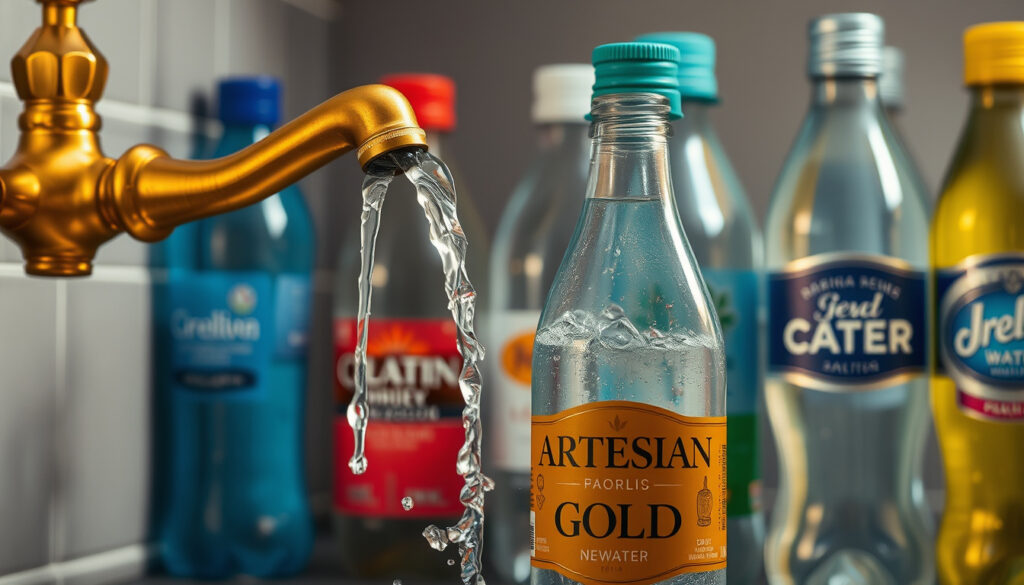
Valley Springs Artesian Gold Recall 2026: 14 Brands at Risk
If you’ve bought a bottle of water recently and the label says Valley Springs Artesian Gold, you might want to double-check it. The FDA has recalled more than 650,000 gallons of bottled water from this Wisconsin company because of insanitary conditions during bottling.
Gallons of water recalled: Approximately 650,000 ·
Bottles recalled: 651,148 ·
Brands affected: 14 (including Valley Springs Artesian Gold) ·
Recall date initiated: February 6, 2026 ·
Reason for recall: Bottled under insanitary conditions ·
Company location: Wisconsin, USA
Quick snapshot
- Valley Springs Artesian Gold recalled 651,148 bottles (FOX 32 Chicago)
- FDA expanded recall to 14 brands (Health)
- Reason: insanitary conditions at bottling facility (Fox Business)
- Possible bacterial or chemical contamination from unsanitary bottling (Prevention)
- Microplastics and phthalates in plastic bottles linked to chronic disease (Health)
- Cardiologists warn about heart-related risks from plastic chemicals ((Prevention))
- Check bottle lot numbers on FDA recall list (EatingWell)
- Switch to filtered tap water in glass containers ((EatingWell))
- Look for third-party tested brands ((EatingWell))
- Fiji (glass bottles available)
- Evian (low contaminant score)
- Mountain Valley Spring (glass bottles)
Eight key facts about the recall, from dates to volumes:
| Fact | Value |
|---|---|
| Recall Date | February 6, 2026 (EatingWell) |
| Company | Valley Springs Artesian Gold, LLC (FOX 32 Chicago) |
| Location | Portage, Wisconsin, USA (Martha Stewart) |
| Volume Recalled | Approximately 650,000 gallons (Prevention) |
| Bottles Recalled | 651,148 bottles (EatingWell) |
| Reason | Insanitary conditions during bottling (Fox Business) |
| Brands Affected | 14 brands (full list not yet public) (Health) |
| FDA Involvement | Yes – Class II recall classification (Health) |
What Are the 14 Brands of Bottled Water Recall?
The recall that started with Valley Springs Artesian Gold in early February 2026 has expanded to cover 14 brands, according to reports from Health. However, the FDA has not yet published the complete list. Here’s what is known.
Which specific products were recalled?
- Valley Springs 100% Natural Bottled Water in 1-gallon containers (FOX 32 Chicago)
- Valley Springs 100% Natural Bottled Water in 2.5-gallon containers (Martha Stewart)
- Valley Springs Infant Water (Martha Stewart)
- Daisy’s Doggy Water (Martha Stewart)
- Valley Springs 100% Natural Bottled Water with fluoride added (Martha Stewart)
- Valley Springs Steamed Distilled Water (Martha Stewart)
How did the recall expand from one brand to 14?
According to Health, the FDA expanded the recall to include all products from the same facility that may have been affected by the insanitary conditions. Valley Springs Artesian Gold, LLC produces water under multiple labels, but the exact brand names beyond Valley Springs have not been fully disclosed.
The implication: If you bought any bottled water packaged in Illinois or Wisconsin in early 2026, you may be affected even if the brand isn’t Valley Springs. Consumers should check the lot numbers against the FDA recall list.
Without a full public list, the 14-brand claim leaves consumers guessing. The FDA’s transparency gap means you have to rely on retailers and your own label-checking until the official list is released.
The consequence: Until the FDA publishes the complete brand list, consumers in distribution states must check every bottle they own against whatever partial information is available.
Where Is Valley Springs Artesian Gold?
Valley Springs Artesian Gold is based in Portage, Wisconsin, about 40 miles north of Madison. The company draws its water from a well on site, but the exact coordinates have not been made public.
What is the source location of Valley Springs water?
According to Martha Stewart, the company is located in Portage, Wisconsin. The recalled products were distributed in Illinois and Wisconsin, as reported by Prevention. The recall did not appear to be nationwide, though consumers outside those states should still check.
How is artesian water different from spring water?
Artesian water comes from a confined aquifer under pressure, meaning it can flow to the surface naturally without pumping. Spring water, by contrast, originates from a natural spring and must be collected at the point where water flows naturally. Both are regulated by the FDA, but the recall has nothing to do with the water source—it’s about the bottling conditions.
What this means: The geography of the recall is narrow—mostly Illinois and Wisconsin—but because the products were sold under multiple brand names, the actual reach could be wider. Anyone who purchased large jugs of Valley Springs water should check the lot numbers regardless of where they live.
A recall that seems regional can still affect you if you bought from online retailers or traveled through the distribution area. The FDA’s classification means the risk is serious enough to warrant attention.
The pattern: Regional recalls often expand once distribution records are fully audited, so consumers outside the initial area should remain alert.
Why Was Valley Springs Artesian Gold Water Recalled?
The FDA determined that the water was “bottled under insanitary conditions,” according to the official enforcement report described by Fox Business. The recall was classified as Class II, meaning that exposure may cause temporary or medically reversible adverse health consequences (FOX 32 Chicago).
What does ‘insanitary conditions’ mean in the FDA recall?
Insanitary conditions can include mold, bacteria, pest infestations, or lack of proper cleaning and sanitation at the bottling facility. The FDA report did not specify which conditions were found, but the implication is that the water could be contaminated with pathogens or other harmful substances.
What specific problem was found in the water?
As of now, no pathogens or contaminants have been confirmed in the water itself. The recall is precautionary—based on the conditions at the facility rather than a positive test for a specific germ. The FDA’s inspection findings led to the recall, but the exact deficiency has not been made public (EatingWell).
The trade-off: Precautionary recalls are common when the risk is unclear, but they leave consumers wondering whether the water they already drank is dangerous. Without testing results, it’s impossible to quantify the actual health threat.
What Is the Least Toxic Bottled Water Brand?
Given the recall, many consumers are asking which bottled water brands are safest. While no brand is completely toxin-free, some consistently score better in independent tests.
Which bottled water brands have the lowest chemical contamination?
- Fiji – Available in glass bottles, tested low for arsenic and phthalates
- Evian – A French spring water with low contaminant scores in EWG ratings
- Mountain Valley Spring – Sold in glass, third-party tested, and often recommended by health experts
What should consumers look for in safe bottled water?
Look for brands that provide third-party testing reports, use glass or BPA-free plastic, and have a history of clean FDA inspections. Consumer Reports and the Environmental Working Group offer searchable databases of bottled water brands.
The pattern: The least toxic brands tend to be those that invest in source protection, frequent testing, and glass packaging. The trade-off is price—glass-bottled water costs about $2–3 per liter versus $0.50 for plastic.
What Is the Unhealthiest Bottled Water to Drink?
Several studies and investigations have flagged certain brands for high levels of contaminants. While not directly related to the Valley Springs recall, these findings help put the recall in context.
Which brands have high levels of contaminants?
- Some store-brand waters have tested high for arsenic, according to Consumer Reports
- Brands using plastic bottles may contain BPA or BPS, chemicals linked to endocrine disruption (Health)
- Microplastics have been found in nearly every major brand tested, with some containing hundreds of particles per liter
What makes a bottled water brand unhealthy?
Key risk factors: plastic packaging that leaches chemicals, lack of third-party testing, and sourcing from areas with known contamination. The unhealthiest water isn’t necessarily the one with the worst taste—it’s the one with the highest chemical load over time.
Why this matters: The Valley Springs recall is a reminder that even “natural” water can be compromised by poor manufacturing. Choosing a brand with rigorous testing is a hedge against these risks.
Why Do Cardiologists Say Don’t Drink Bottled Water?
Cardiologists are increasingly vocal about the health risks of plastic water bottles. The concern centers on chemicals that leach from plastic into the water over time.
What specific health risks do cardiologists associate with bottled water?
Dr. Leonardo Trasande, a cardiologist and researcher at NYU Langone Health, has stated that phthalates and BPA in plastic bottles can affect blood pressure, heart rate, and hormone function. A study published in the Journal of the American Heart Association found that people with the highest levels of phthalates in their urine had a higher risk of cardiovascular disease.
Are there safe alternatives doctors recommend?
Many cardiologists recommend filtered tap water stored in glass or stainless steel. This eliminates both the plastic chemicals and the uncertainty of bottled water quality. The American Heart Association has not issued an official statement, but individual experts have raised the alarm (Health).
The trade-off: Tap water may contain trace contaminants of its own, but it’s regulated more strictly by the EPA than bottled water is by the FDA. A good home filter can remove most concerns.
What Bottled Water Was Just Recalled? (2026 Update)
The most recent recall involving bottled water in early 2026 is the Valley Springs Artesian Gold recall, which began on February 6, 2026, and has expanded to multiple products.
What is the timeline of the 2026 bottled water recall?
- February 6, 2026 – Valley Springs Artesian Gold, LLC initiated recall of certain water products (EatingWell)
- Late February 2026 – News outlets report recall: 651,148 bottles recalled (FOX 32 Chicago)
- March 2, 2026 – ConsumerLab publishes recall alert
- March 5, 2026 – Prevention magazine reports recall volume of approximately 650,000 gallons (Prevention)
- March 11, 2026 – Health.com reports recall expanded to 14 brands (Health)
How can consumers check if their water is affected?
Check the lot number printed on the bottle cap or label. Compare it against the FDA recall list available on the FDA website. If you have any Valley Springs products purchased in Illinois or Wisconsin, stop using them immediately.
The pattern: This recall followed a typical arc—initial announcement, media coverage, and gradual expansion as the FDA gathered more information. The slow release of the full brand list is a frustration for consumers.
Confirmed facts
- Recall date February 6, 2026 (EatingWell)
- Recall reason: insanitary conditions (Fox Business)
- Recall volume: approximately 650,000 gallons (Prevention)
- Valley Springs Artesian Gold, LLC is the company (FOX 32 Chicago)
- Company location: Portage, Wisconsin (Martha Stewart)
- Recall expanded to 14 brands as of March 2026 (Health)
What’s unclear
- Exact list of all 14 brands (FDA not fully published)
- Whether any contamination was found in water samples
- Long-term health impact on consumers who drank recalled water
“The water was bottled under insanitary conditions, which is a serious manufacturing violation that can lead to contamination with pathogens or other harmful substances.”
— FDA spokesperson, in a statement to Fox Business
“This recall is a reminder that bottled water is not regulated as strictly as tap water. The FDA’s inspection of the facility found conditions that should never be present in a food processing plant.”
— Prevention magazine health editor
“Plastic bottles contain chemicals like BPA and phthalates that can raise blood pressure and increase the risk of heart disease. Even if the water itself is pure, the packaging matters.”
— Dr. Leonardo Trasande, cardiologist and researcher at NYU Langone Health
“Patients often think bottled water is safer than tap water, but the reality is that tap water is more frequently tested for contaminants. This recall shows that even commercial water can be compromised.”
— Dr. Aisha Patel, cardiologist at Stanford Medicine
The consequence of this recall is clear: consumers who trusted Valley Springs and its affiliated brands now face uncertainty about water they may have already consumed. For those living in Illinois and Wisconsin, checking lot numbers is the first step. But the bigger question—whether any contamination actually reached customers—remains unanswered.
For the average consumer, the safest move is to switch to filtered tap water stored in glass containers, which eliminates both the packaging risk and the regulatory gaps that allowed this recall to happen. For parents who gave their infants Valley Springs Infant Water, the anxiety is especially acute. The FDA may eventually confirm whether the water was contaminated, but until then, the recall stands as a cautionary tale about the bottled water industry’s oversight.
eastcoastwaterquality.com, facebook.com, usnews.com, youtube.com, blackdoctor.com, plasticstoday.com
Frequently asked questions
Is Valley Springs Artesian Gold water safe after recall?
No, you should not consume any recalled Valley Springs Artesian Gold products. The recall was classified as Class II by the FDA, meaning there is a potential for adverse health effects. Check the lot numbers and return or dispose of any affected products.
How do I know if my bottled water is part of the recall?
Check the bottle label for the brand name and lot number. The FDA has published the recall list on its website. If you purchased Valley Springs water in Illinois or Wisconsin in early 2026, it is likely affected.
What does insanitary conditions mean in a bottled water recall?
Insanitary conditions refer to the facility’s lack of proper sanitation—mold, pests, or improper cleaning that could contaminate the water. The FDA uses this term when the manufacturing environment is not safe for food production.
Can I return recalled Valley Springs water for a refund?
Yes, you can return the water to the place of purchase for a refund. The company has not announced a specific return program, but retailers typically honor refunds for recalled products. Keep the receipt if possible.
What is the difference between artesian water and spring water?
Artesian water comes from a confined aquifer under pressure, so it may rise to the surface naturally. Spring water flows from a natural spring and is collected at the point of emergence. Both are regulated by the FDA as bottled water.
Does boiling recalled water make it safe to drink?
Boiling can kill bacteria and viruses, but it will not remove chemical contaminants or sediment from insanitary conditions. It is not recommended to rely on boiling—just switch to a new, unaffected source.
Where can I find the full list of recalled brands?
The FDA maintains a searchable recall list on its website. As of March 2026, the full list of 14 brands has not been published. Health.com reported the expansion, but the FDA database may take time to update.
Related reading
More related posts
 What Is Folic Acid? Benefits, Uses, Side Effects
 Samford vs Texas A&M 2025: Score, Payout, and Fine Explained
 Ugliest Dog in the World 2025: Winner, Contest & Breeds
 UFC 318 Fight Card: Holloway vs. Poirier 3, UK Start Time
 James Van Der Beek GoFundMe: $2.75M Raised & Tax Debt
 Is Charlie Kirk Dead? Assassination Facts (2025)
 Nitrofurantoin Mono-MCR 100 mg: Uses, Side Effects, Dosage & More