Mobile Homes for Sale Near Me – Prices, Listings & Buying Guide
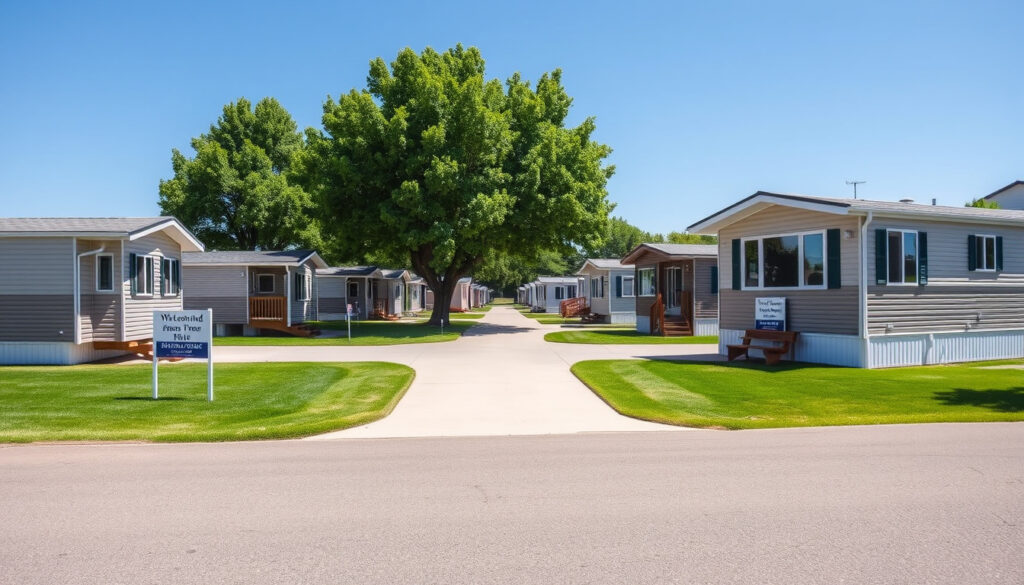
Buyers searching for mobile homes for sale near me have access to a robust marketplace, with listings ranging from budget-friendly used units to fully renovated models. Understanding pricing, park communities, and the distinction between mobile and manufactured homes helps buyers make informed decisions in a market that continues to grow across New York and surrounding states.
The manufactured housing sector offers one of the most accessible pathways to homeownership, particularly for those priced out of the traditional real estate market. Whether the goal is a quiet park community, a rural property with acreage, or a quick move-in solution, the inventory available across major listing platforms makes targeted searches more productive than ever. This guide breaks down everything from current prices and financing options to zoning considerations and inspection priorities, drawing from active listings and established industry sources.
Where Can I Find Mobile Homes for Sale Near Me?
Buyers looking for mobile homes for sale near me will encounter a wide distribution of listings across multiple platforms, each with its own search tools, filters, and inventory depth. A coordinated search across several sites typically yields the most comprehensive results.
Platform Inventory Breakdown
A snapshot of current inventory reveals meaningful differences in platform coverage. Redfin displays 699 active listings, while MHVillage and Realtor.com each host over 770 properties. Homes.com carries 833 listings, and both Zillow and Trulia maintain substantial inventories updated in real time. Combining searches across at least two or three of these platforms improves the likelihood of finding options that match specific location, price, and feature requirements.
Geographic Concentration and Local Markets
Listings are not evenly distributed across the state. Clifton Park accounts for approximately 11 properties currently for sale, Calverton has around 8, and Cheektowaga offers roughly 4. Cities like Rochester average $129,900 per listing, Buffalo sits near $195,000, and Riverhead features renovated 2-bedroom units around $192,000. For buyers willing to explore broader regions, MHVillage identifies park-based homes in more than 50 New York towns, with concentrations in Middletown and Cortland, each hosting around 5 listings.
Zillow features park-specific models, such as a $82,000 unit in Alden that includes a deck. Staten Island offers a notably large option—a 16-bedroom home on a 7,060-square-foot lot. Buyers seeking rural properties may find better value in upstate counties where demand continues to rise.
- Over 1,400 combined listings exist across major platforms, with active daily updates
- 3-bedroom units under $50,000 are available, particularly older models in park settings
- Properties with land average $249,492 across 168 listed models
- Park lot rent typically adds $300–$800 per month, a cost separate from the home purchase price
- Locations like Clifton Park, Calverton, and Rochester show the strongest local inventory
- Dealers including Home Nation (57 new units statewide) and agencies like Coldwell Banker and EXP Realty list inventory under $100,000
Understanding Platform Differences
Zillow employs a map-first interface with real-time data and agent profiles attached to listings. MHVillage specializes in manufactured housing, offering user reviews and granular filters for park placement, price, and bedroom count. Homes.com uses a grid-based layout with frequent listing updates. Realtor.com and Redfin provide broker-backed data with additional neighborhood context. Understanding these differences helps buyers prioritize which platform to check first depending on their stage of the search.
| Fact | Details |
|---|---|
| Minimum Purchase Price | $49,840 for used homes |
| Land-Inclusive Average | $249,492 (168 properties) |
| HUD Standards Apply | Post-1976 manufactured homes only |
| Average Lot Rent | $300–$800/month (varies by park) |
| Financing Type | Chattel loans (8–12%) or FHA/VA with land |
| Typical Lifespan | 30–55 years with proper maintenance |
| Setup Costs | $5,000–$15,000 after delivery |
| Active Listings | 700–1,400+ across all platforms |
How Much Do Mobile Homes Cost?
Mobile home prices span a wide range, driven by factors including condition, age, location, whether land is included, and the presence of renovations. Used units form the bulk of the market and represent the most affordable entry point, while new models from authorized dealers carry a significantly higher price tag.
Price Ranges by Category
Used mobile homes currently list between approximately $49,840 and $192,000, depending on size, condition, and location. Renovated units in desirable areas command prices toward the upper end. A 2-bedroom renovated home in Riverhead, for example, is listed around $192,000. New units from authorized dealers typically exceed used prices considerably, though exact figures vary by dealer and specifications.
Properties that include land follow a different pricing structure. With 168–175 land-inclusive properties currently listed at an average of $249,492, buyers should expect to pay roughly $22,691 per acre at that average rate. Examples include a 3-bedroom, 2-bathroom model on 4.89 acres priced at $250,000, and a more affordable option on 9.5 acres listed at $59,900. These parcels tend to appreciate more steadily than park-based units and offer greater long-term investment stability.
For buyers prioritising affordability, used models under $50,000 appear most frequently on Zillow and LandSearch. Filtering by price and excluding land-inclusive results helps focus on park-based options, which typically require lower upfront costs.
Beyond the Purchase Price: Ongoing Costs
The purchase price represents only one component of the total cost of homeownership in a mobile or manufactured home. Monthly lot rent within park communities adds $300 to $800 per month depending on the park, the region, and the amenities offered. This recurring expense significantly affects the overall affordability picture and should be factored into any budget calculation alongside mortgage or loan payments.
Setup costs following delivery typically range from $5,000 to $15,000, covering transportation, installation, anchoring, utility connections, and any necessary foundation work. Utility setup and ongoing costs—electricity, water, sewage, and propane where applicable—vary by location and infrastructure availability.
Finding the Cheapest Options
Buyers searching for the lowest price points should focus on used models located within park communities rather than land-inclusive properties. A 1,036-square-foot unit listed at $49,840 represents a current entry-level example, though most options in this range are older models that may require additional repair or updating. Home Nation lists 57 new manufactured homes across New York, and several listings through agencies like Hunt Real Estate and EXP Realty target the under-$100,000 segment for used models.
Financing Costs and Loan Considerations
Financing a mobile home introduces cost variables that differ from conventional mortgages. Chattel loans—used when purchasing the home without land as personal property—carry interest rates typically ranging from 8% to 12%, with shorter repayment terms. These loans pose higher monthly payments relative to the loan amount compared to traditional mortgages.
For buyers purchasing a manufactured home with land, FHA and VA loan programs become available, potentially offering lower interest rates and longer terms. Consulting with lenders through authorized dealers helps buyers understand which financing structure best suits their situation and credit profile.
Lot rent figures are widely referenced in the $300–$800 monthly range, but individual parks do not consistently publish exact amounts in listing databases. Prospective buyers are encouraged to contact park management directly to confirm current fees before finalising any purchase decision.
What Is the Difference Between a Mobile Home and a Manufactured Home?
The terms “mobile home” and “manufactured home” are often used interchangeably in everyday conversation, but they describe distinct categories with different regulatory histories. Understanding this distinction matters for buyers because it affects financing options, inspection requirements, zoning eligibility, and long-term value retention.
Pre-1976 Mobile Homes
Mobile homes refer specifically to units built before June 1976, before the U.S. Department of Housing and Urban Development (HUD) established the Manufactured Home Construction and Safety Standards. These homes were built to varying regional standards and lack the uniform federal compliance framework that applies to newer units. As a result, older mobile homes may present higher risks in areas like structural integrity, energy efficiency, and fire safety. Many lenders treat pre-1976 units as personal property rather than real estate, which influences financing options.
Post-1976 Manufactured Homes
Manufactured homes are those constructed after June 1976 in accordance with HUD’s federal standards. Every compliant unit carries a red HUD label (or tag) affixed during production, certifying that the home meets requirements for wind resistance, structural integrity, fire safety, energy efficiency, and plumbing and electrical systems. These homes are built in controlled factory environments and transported to their sites, where they are typically anchored to a permanent foundation.
Key Practical Differences
Both mobile and manufactured homes retain their towable nature, but the degree to which they are permanently affixed varies. Manufactured homes placed on a owned lot are usually attached to a permanent foundation, which can qualify them for conventional real estate financing. Mobile homes located in park communities remain classified as personal property in most jurisdictions, which affects property rights, resale value, and lending terms.
For buyers, the practical implication is straightforward: purchasing a post-1976 manufactured home with documented HUD compliance unlocks better financing options, stronger resale potential, and clearer legal standing. Inspectors typically focus on verifying the presence of HUD tags, evaluating the condition of the roof, structure, plumbing, and electrical systems, and assessing the foundation or anchoring setup regardless of whether the unit is classified as a mobile or manufactured home.
How Do I Buy a Mobile Home?
The purchasing process for a mobile or manufactured home follows a sequence that shares similarities with traditional real estate transactions while incorporating steps specific to factory-built housing. From initial listing searches to final closing, each stage involves decisions that shape both the immediate purchase and long-term ownership experience.
Searching and Identifying Listings
The first step involves searching available inventory through one or more listing platforms. Using location filters on sites like Zillow or MHVillage narrows results to specific cities, counties, or park communities. Buyers seeking rural land-inclusive properties should use dedicated land search tools, which identify properties where a manufactured home and acreage are sold together. Filters for price range, bedroom count, square footage, and listing age help refine results quickly.
Evaluating Properties and Inspecting Units
Once promising listings are identified, an in-person or virtual walkthrough helps assess condition. For used units, a thorough inspection should verify HUD tags (indicating post-1976 compliance for manufactured homes), roof and structural integrity, plumbing and electrical systems, insulation quality, and the presence of water damage, mold, or pest issues. Renovated listings on platforms like Homes.com sometimes include documentation of recent appliance replacements, new flooring, or updated systems, which can reduce immediate repair costs but typically command higher asking prices.
When evaluating a used mobile or manufactured home, check for the red HUD compliance label on the exterior wall near the electrical panel. Request maintenance records from the seller where available. Verify that all plumbing connections are intact, that no sagging or soft spots exist in flooring, and that windows and doors seal properly.
Financing the Purchase
Financing options diverge based on whether the buyer is purchasing the home alone, the home with land, or a unit within a park community. For park-based homes without owned land, chattel loans represent the most common financing route, though interest rates of 8–12% and shorter loan terms increase monthly obligations. Buyers purchasing land with their home may qualify for FHA loans, VA loans, or conventional mortgages, all of which typically offer lower rates and longer repayment periods.
Authorized dealers, including Home Nation and brokerage partners such as Keller Williams and Coldwell Banker, often maintain relationships with lenders who specialise in manufactured housing financing. Engaging a dealer’s recommended lender can streamline the pre-approval process, though buyers are encouraged to compare offers across multiple lenders to secure the most favourable terms.
Zoning Considerations and Park Rules
Before completing a purchase, buyers should confirm that the intended location permits mobile or manufactured home placement. Zoning regulations vary by county, municipality, and even individual park communities. Some areas restrict mobile home placement outside designated parks entirely, while others apply minimum lot size or aesthetic standards that affect which models qualify. Purchasing land independently can bypass park-related zoning restrictions by enabling placement on a private lot with a permanent foundation, but this approach requires additional due diligence regarding local building codes and permitting processes. For those considering purchasing land independently, understanding the nuances of Parklea sand and soil can help bypass park-related zoning restrictions by enabling placement on a private lot with a permanent foundation.
Zoning laws for mobile and manufactured homes differ significantly across municipalities. Buyers should consult local planning or building department records for the specific county or city where they intend to place the home before making an offer. Relying solely on general market listings without verifying local zoning compatibility can lead to placement issues after purchase.
Are Mobile Homes a Good Investment?
Mobile and manufactured homes occupy a distinct position in the broader real estate market. While they provide an accessible entry point to homeownership, their investment characteristics differ meaningfully from site-built single-family residences. Weighing the financial trade-offs requires examining both the short-term affordability benefits and the long-term appreciation patterns.
Affordability as a Primary Benefit
The most compelling argument for mobile homes is their lower upfront cost compared to traditional housing. Entry-level units available under $50,000 enable ownership for buyers who would otherwise be excluded from the market entirely. Monthly costs, while ongoing, can remain competitive with apartment rentals in some areas when lot rent and loan payments are combined. For buyers prioritising housing stability over investment appreciation, this affordability advantage can be decisive.
Appreciation and Resale Realities
Mobile homes in park communities generally depreciate over time rather than appreciate, similar to vehicles. This pattern reflects several factors: the personal property classification of park-based units, the ongoing lot rent obligation that transfers to subsequent buyers, and the finite lifespan of older units. Land-inclusive manufactured homes, by contrast, demonstrate better long-term value retention. The average land-inclusive listing price of $249,492 reflects a fundamentally different asset class—one where the real property appreciates alongside broader market trends while the structure itself may still depreciate.
Comparing Mobile Homes to Other Housing Options
For buyers weighing mobile homes against other affordable housing options, the calculus depends heavily on individual goals. A comparison with Campers for Sale Near Me – Local Deals Under $10K shows that recreational vehicles offer lower entry costs but lack the permanent living suitability and financing options available for mobile homes. Traditional apartments or rentals provide flexibility but offer no equity accumulation. Site-built homes provide the strongest appreciation potential but require significantly higher capital.
| Factor | Park-Based Mobile Home | Land-Inclusive Manufactured Home | Site-Built Home |
|---|---|---|---|
| Upfront Cost | $49K–$100K | $150K–$350K+ | $250K–$500K+ |
| Monthly Obligation | Lot rent + loan | Mortgage only | Mortgage only |
| Appreciation | Minimal to none | Moderate | Strong |
| Financing Options | Chattel loan | FHA/VA/conventional | Conventional |
| Long-Term Value | Lower | Moderate | Higher |
Market Demand and Regional Trends
Demand for affordable manufactured housing remains strong in 2024 and into 2025, driven by persistent housing shortages in both urban and rural markets. Rural and upstate New York areas, including parts of Delaware County, report heightened interest in both park-based and land-inclusive units. The “Hot Homes” designation used by platforms like Redfin and MHVillage signals properties receiving multiple offers or rapid interest, often reflecting underpriced listings in high-demand micro-markets.
Weighing the Pros and Cons
Mobile homes suit buyers who prioritise immediate affordability and are comfortable with the trade-offs of park-based living or limited land ownership. They represent a practical housing solution for retirees, first-time buyers with limited savings, and individuals seeking a minimalist lifestyle. However, buyers expecting conventional real estate appreciation should look elsewhere. The decision ultimately depends on how the buyer values upfront cost savings against long-term financial returns and lifestyle preferences.
The Mobile Home Buying Timeline
A step-by-step approach helps buyers navigate the mobile home purchasing process efficiently, from initial search to move-in readiness. While timelines vary depending on financing, inspections, and park approval processes, most transactions follow a similar sequence.
- Search listings online — Use filters across MHVillage, Zillow, Redfin, and Realtor.com to identify suitable properties within target price ranges and locations.
- Visit and evaluate properties — Schedule in-person or virtual tours; assess condition, verify HUD compliance labels, and confirm park rules or land suitability.
- Arrange financing — Apply for pre-approval through chattel loan lenders (park homes) or FHA/VA lenders (land-inclusive purchases); compare rates across at least two lenders.
- Conduct a home inspection — Hire a qualified inspector to assess structural integrity, plumbing, electrical, roofing, and any signs of pest or water damage.
- Submit an offer and negotiate — Work with a real estate agent familiar with manufactured housing to structure the offer, negotiate price, and handle any seller concessions.
- Complete closing procedures — Coordinate with lenders, title companies, and park management (if applicable) to finalise ownership transfer and registration.
- Move in and set up — Arrange transportation, installation, utility connections, and any outstanding setup work; budget for the $5,000–$15,000 setup cost where applicable.
Weighing Certainty and Uncertainty
When evaluating mobile homes for purchase, buyers benefit from distinguishing clearly between what is well-established in the market and what remains variable or region-specific. The following comparison organises known facts alongside areas where individual due diligence is essential.
| Established Information | Variable / Region-Specific Information |
|---|---|
| Used mobile home prices range $49,840–$192,000 | Exact lot rent amounts per park (verify directly with park management) |
| Post-1976 manufactured homes meet HUD standards | Zoning approval for specific lots (check local codes) |
| Chattel loans carry 8–12% interest rates | Available lender options in rural markets |
| Land-inclusive properties average $249,492 | Individual property condition beyond listing descriptions |
| Setup costs fall between $5,000–$15,000 | Park community rules regarding renovations, pets, resale |
| Inventory of 700–1,400+ listings statewide | Future appreciation trends in specific micro-markets |
| HUD labels certify federal compliance | Insurance availability and premiums by location |
| Lifespan of 30–55 years with proper maintenance | Resale demand in specific towns or parks 5–10 years from now |
The Broader Housing Market Context
Manufactured housing represents approximately 6% of the nation’s single-family housing stock, yet it remains dramatically underutilised in many regions. The gap between traditional home prices and household income levels has widened substantially over the past decade, positioning factory-built homes as a meaningful part of the solution to housing affordability challenges.
New York exemplifies these dynamics. The state’s combination of high urban costs, aging rural housing stock, and growing demand for affordable alternatives has sustained consistent interest in manufactured homes across diverse buyer profiles. From young families seeking space outside expensive metro areas to retirees downsizing from larger properties, the buyer pool for mobile and manufactured homes spans generations and income levels.
The Manufactured Housing Institute and HUD both identify the sector as a critical component of the affordable housing ecosystem, yet regulatory fragmentation—particularly in zoning and financing—continues to limit broader adoption. Buyers who understand these systemic factors are better positioned to navigate the market’s complexities and advocate for their own interests during negotiations.
What Experts and Sources Say
Industry guidance on manufactured housing consistently emphasises the importance of verifying federal compliance and understanding the full cost of ownership before committing to a purchase.
Manufactured homes built after 1976 must meet the HUD Manufactured Home Construction and Safety Standards, which cover structural integrity, fire safety, energy performance, and resistance to wind and thermal conditions. Prospective buyers should always confirm the presence of the red HUD label during inspection.
— U.S. Department of Housing and Urban Development, HUD Manufactured Housing Program
While manufactured housing offers one of the most affordable pathways to homeownership, buyers must account for lot rent and other recurring costs, understand their financing options, and verify that their chosen location permits placement before completing a purchase.
Finding Affordable Cleaning Help Near You
While searching for housing, buyers moving into a new mobile or manufactured home often need professional cleaning services to prepare the property for occupancy. Understanding local cleaning costs and available services can streamline the transition. House Cleaners Near Me – Costs, Tips and Local Services provides a practical overview of service pricing and provider selection for new homeowners across different regions.
Summary
Mobile homes for sale near me represent a diverse and active market segment offering entry points from under $50,000 to land-inclusive properties averaging nearly $250,000. Platforms including MHVillage, Zillow, Redfin, and Realtor.com maintain inventories ranging from 700 to over 1,400 listings, with concentrations in Clifton Park, Calverton, Rochester, and Buffalo. The distinction between pre-1976 mobile homes and post-1976 manufactured homes is critical for financing and compliance, and buyers should verify HUD labels and local zoning regulations before committing. For those prioritising affordability over appreciation, manufactured homes in park communities provide a viable and practical path to homeownership, while land-inclusive purchases offer a more balanced investment profile for buyers planning longer holding periods.
Frequently Asked Questions
What should I look for when buying a used mobile home?
Verify the HUD compliance label, inspect the roof and structure for damage, check plumbing and electrical systems, assess the foundation or anchoring setup, and look for evidence of pest intrusion, water damage, or mold. Request maintenance records where available and confirm that all appliances and systems function properly.
What are the zoning laws for mobile homes?
Zoning regulations vary by county, municipality, and park community. Some areas restrict mobile home placement to designated parks, while others permit land-based placement subject to lot size and building code requirements. Consult the local planning or building department before purchasing to confirm that your intended location permits the home type you are considering.
Can I finance a mobile home with a traditional mortgage?
Traditional mortgages generally require the home to be classified as real property, which typically means it must be on owned land with a permanent foundation. For park-based homes without land, chattel loans are the standard financing route, though they carry higher interest rates. FHA and VA loans become available when purchasing a manufactured home together with land.
How long do mobile homes last?
With proper maintenance and timely repairs, mobile and manufactured homes typically last between 30 and 55 years. Post-1976 units built to HUD standards generally outperform older models in longevity and structural reliability. Regular inspection of roofing, plumbing, and structural components extends the useful life of any unit.
Are mobile homes a good investment compared to site-built homes?
Mobile homes in park communities generally depreciate rather than appreciate, making them better suited for affordability-focused buyers than investment-focused ones. Land-inclusive manufactured homes offer more balanced value retention and may appreciate alongside broader market trends. Buyers seeking strong appreciation should consider site-built homes, while those prioritising accessible homeownership will find mobile homes more suitable.
What is the average lot rent for mobile home parks?
Lot rent in mobile home parks typically ranges from $300 to $800 per month, though exact amounts vary by park, region, and included amenities. Parks in urban or desirable rural areas tend toward the higher end of this range. Prospective buyers should contact park management directly to confirm current lot rent figures, as these expenses are not always listed in public listing databases.
What is a HUD label on a manufactured home?
A HUD label—also called a certification tag—is a red label affixed to the exterior of a manufactured home, confirming that the unit was built after June 1976 and meets the HUD Manufactured Home Construction and Safety Standards. This label is a key indicator of federal code compliance and is one of the first items a buyer should verify during the inspection process.
More related posts
 57 kg to lbs: Conversion, Health Context & Height Guide
 Square Feet to Acres Converter – Formula & Examples
 What Is Apollo the God Of? Music, Prophecy & Healing
 SCDCA Warns of Data Breach: What SC Residents Should Do
 How to Share Your Wi-Fi Password on iPhone (4 Methods)
 Cast of The Little Mermaid 2023 Film: Full List and Details
 Map of New Mexico – Official Interactive and Printable Resources
 What is Neural TTS? Models, Voices, and Pricing Explained